Category: Research
-
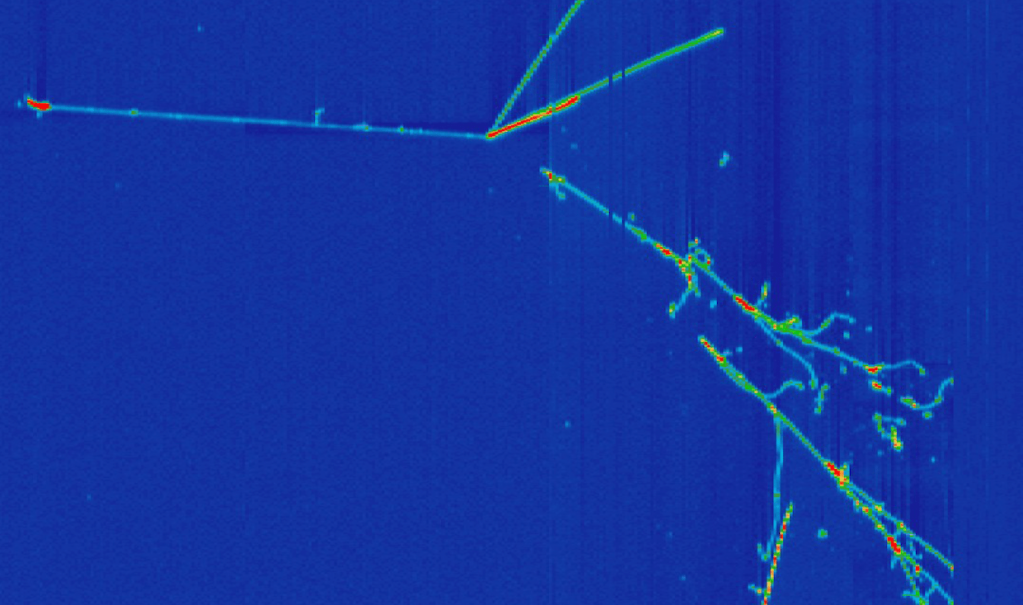
Relativistic energy loss — especially for OPERA neutrino experiment.
Using basic Time-Energy relation of Quantum Mechanics (or uncertainity. equation) I had shown why Sheldon Glashow’s bremstrahllung scheme corresponds to a different energy-distance scale than OPERA but this explanation is Relativity and quantum mechanics together, against Sheldon Glashow
-
What is the (f)utility of Sheldon Glashow’s paper towards OPERA result.
The MeV corresponds to ~10^-26 seconds, a 100 million part of an atto-second, that is, if a real electron is clading the value of energy by being misidentified or some state-of-the-science measurement artefact, in that case our Nano-second range GPS clocks would be no good. The neutrino and photons would be ticking at far below…
-
The time-energy uncertainty relation.
The time-energy uncertainty relation is a blessing in disguise which comes in handy to check various values that are quoted, so as to see if something is inconsistent or not. It’s very powerful in guiding to check if we are ourselves making something silly or not. I have described in two recent articles — will…
 M Dash Foundation: C Cube Learning