Category: cognates

  • Rule behind forming Japanese (Chinese?) numbers.

    Rule 3: I merged rule 3 into 2 and sub-itemized into i) and ii). Smart? I think necessary. They say “necessity is the mother of invention”. I thought last night, as I was totally ill, by body pain and head ache, and didn’t do much except weeping in pain, “what if, invention is actually a…

  • Madras, the etymo, “cogito ergo sum”.

    mangal which also means welfare. Because again, 2ndary, all nouns have primary meaning sun, 2ndary and therefore 2ndary to 2ndary and so on, anything; tree, place, life forms, action, people, law, … thats how language developed, according to sun as central theory, and I think it was known far deeper into humanity’s history, the most…

  • The explicit words of sun theory !!

    I thought when I observed, that they would be stolen from one language to another but there is an elaborate structure of unity across language that I have been calling as sun theory of language. eg what would be 4 in one language would be umbrella in another due to their philosophical relevance with each…

  • Which books to follow if you are to begin learning Japanese. #mdashf #Japanese1

    Which books to follow if you are to begin learning Japanese. #mdashf #Japanese1

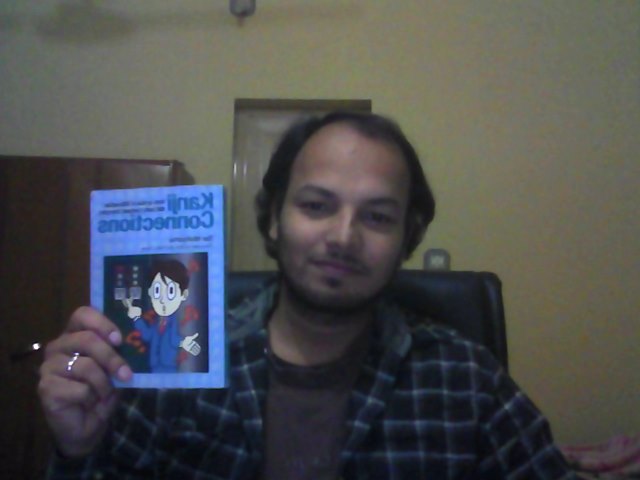
    When I am asked for my references for which books one should follow to begin learning Japanese, here is what I suggest. 1. For Hiragana, Katakana (the phonetic alphabet) This book comes with many exercises and really quick to teach you most important things as a beginner. Its an excellent and slim size book. にほんご…

  • How to say “I” (me or mine) in Japanese; #mdashf #kanji5

    How to say “I” (me or mine) in Japanese; #mdashf #kanji5

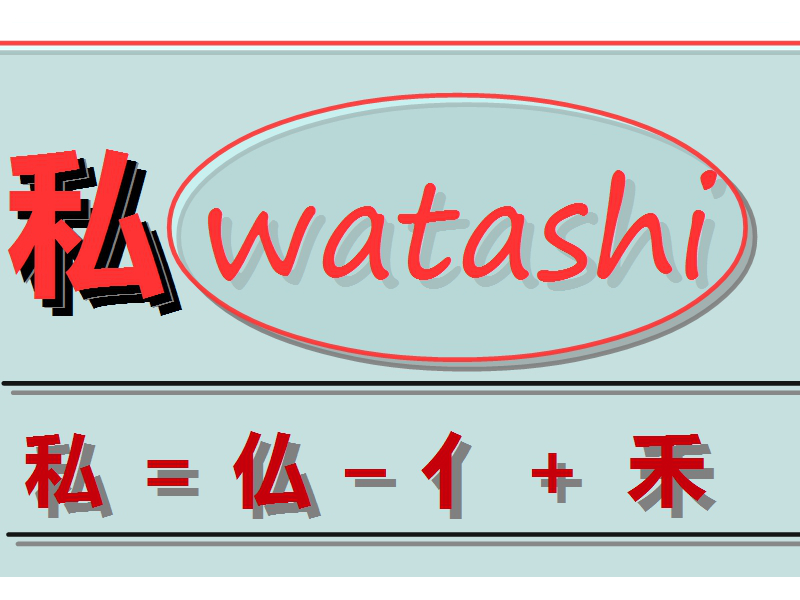
    How to say “I” (me or mine) in Japanese; wa’ta’shi. Note that: a real distinction between I, me or mine comes from what are called “particles”. It defines; to-I, by-I, on-I, From-I etc. The few help-objects that does so (by, to, from, on, in … ) in strictly phonetic language like Japanese or Indian languages…