Tag: cognates
-
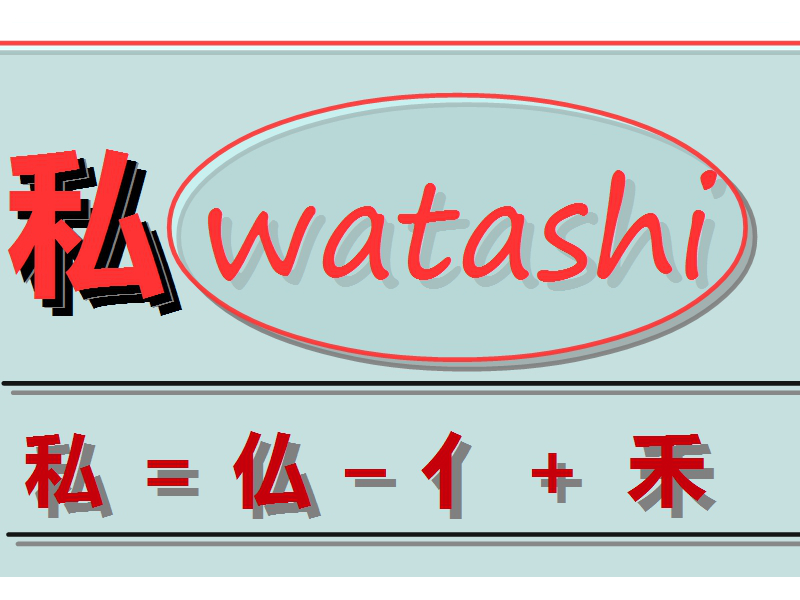
How to say “I” (me or mine) in Japanese; #mdashf #kanji5
How to say “I” (me or mine) in Japanese; wa’ta’shi. Note that: a real distinction between I, me or mine comes from what are called “particles”. It defines; to-I, by-I, on-I, From-I etc. The few help-objects that does so (by, to, from, on, in … ) in strictly phonetic language like Japanese or Indian languages…
-
The further meaning of Sun.
You can see inkstone as ankstone where ank=ankh is eye and stone is Sun. Stone is sun as son+ton. son=som=sun and ton is greek for sun {if read reverse = Not}. This also comes from fact that ton is sound/nada and tuni {Odi: silent, phil: sun is always silent} !! Not is for this reason…
-
Kiyomizu dera or [k]-you-mi-shu deura?
while on kiyomizu dera, the famous 800 AD temple in Kyoto: check out “Jojuin” garden, known as the “Moon Garden” jotsna, jochhana etc [s/t/c alternates to >> j, jojna, jojuin ] is Indianic sanscrit for moonlight. so base sanscrit for moon wood be jo/co/cho/cha etc note that this is present day [tsuki = moon, tsuki…
-
10-incarnations [da-s-avatara] in Sanskrut and Japanese
Note how close the 10-incarnations of Bishnu = Narayana= Nara, are in Indian and Japanese. they retain at-least one monosyllable or more, which could mean the 10-incarnation system was developed much later and is a compilation from philosiphical and mythical school of thoughts prevalent up until now, but thesame linguistic system existed much before. I…
-
Language connections points to an underlying beauty..
Language connections are much more unbelievably simple than our day to day attitude towards them reflects. Everything evolves from a fewer set of things. The underlying beauty of the seemingly bizzare properties are only a diversion. Nature isn’t playing tricks. We are not prepared to take a route which promises us sound understanding of the…
 M Dash Foundation: C Cube Learning