Category: cognates
-
word of the day: 体karada 。。休kyuu 。。
word of the day: 体karada 。休kyuu in the first kanji there is a trust+tree+line under tree. [trust is person-specific] tree+line is root. root of person is body. Hence karada is body.
-
Elements and Gods
What differs the Vedic Gods from Hindu Gods is that they might just have mixed themselves with civilizational arrow. But these elements which are also similar in Greek style, but these may be same/similar because of our current incomplete understanding, not their outstanding value, in other words there might be a civilizational conceptual underpinning same…
-

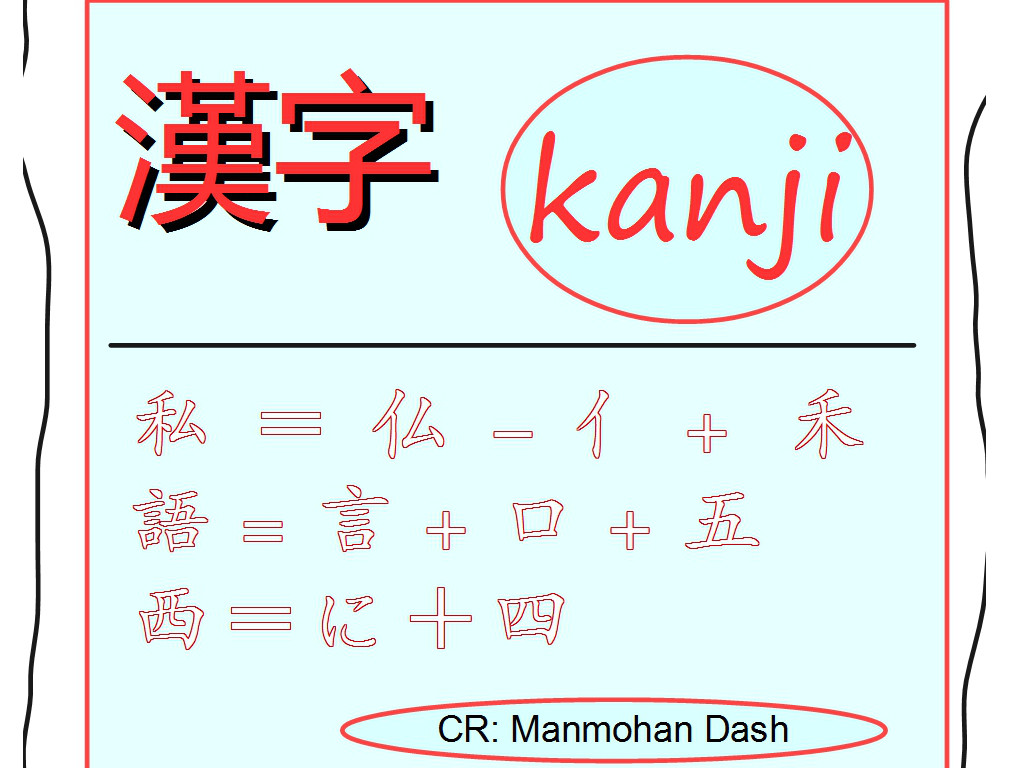
Some interesting findings in ‘kanji”.
See how, English: Rely comes from Chinese: Lai = trust .. (because they are same phonetically and have same meaning, no doubt they are cognates and in-fact same source of the word). Japanese: rai is the same word as Chinese lai, also connected through the kanji: 頼 (rai, lai). This only tells the kanjis were…
-
The origin of the word “nemesis” ..
also see the slight difference in shichi [7七] and the symbol in 死. The latter is used as a symbol for person asif one is sitting. 7七 is used anywhere there is nature’s elements present: eg 花hana=flower、脂abura=fat/oil、 指yubi=finger. One might be tempted to say in finger and fat the “sitting person is used” although my…
-
Languages like English/Indian in modern times derived vastly from Chinese/Japanese
This means 5 elements were stolen from Chinese system. The Chinese 7 system is amply evidenced in Japanese culture, eg 7 layered Pagoda. Also this analysis is remarkable: 七+名=死, which says shichi+mei = shi, 7 + name = death. Once a person has met its 7 [七] elements [person = name 名] its death. death…
 M Dash Foundation: C Cube Learning