Tag: ancient language
-
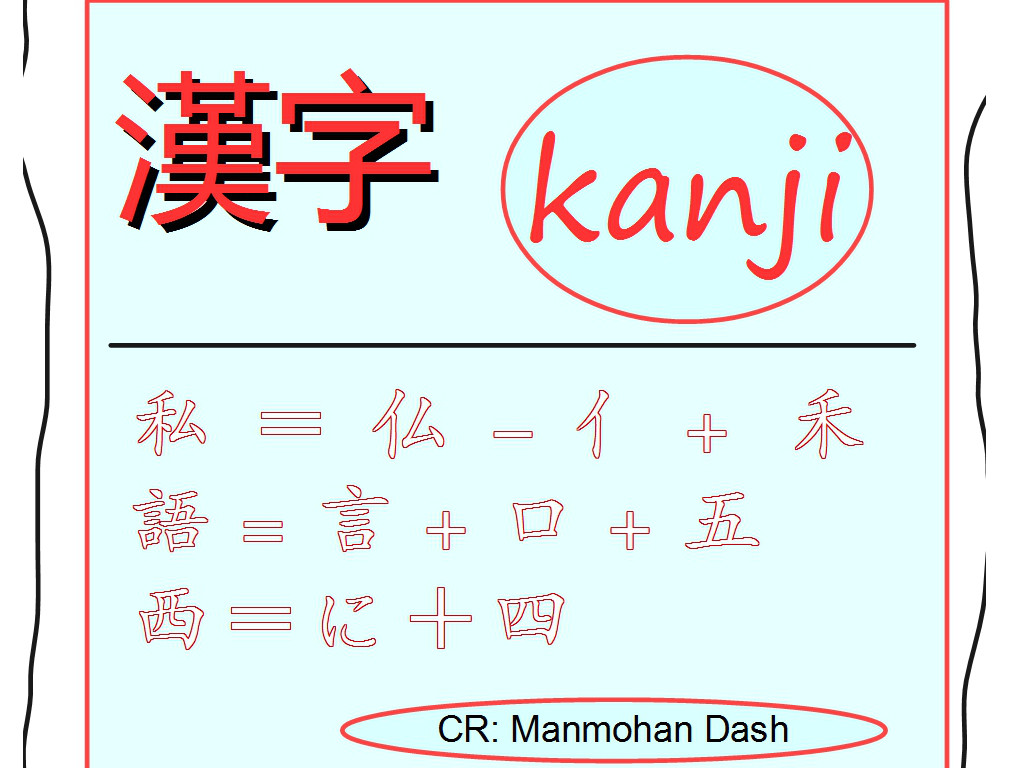
The origin of the word “nemesis” ..
also see the slight difference in shichi [7七] and the symbol in 死. The latter is used as a symbol for person asif one is sitting. 7七 is used anywhere there is nature’s elements present: eg 花hana=flower、脂abura=fat/oil、 指yubi=finger. One might be tempted to say in finger and fat the “sitting person is used” although my…
-
Languages like English/Indian in modern times derived vastly from Chinese/Japanese
This means 5 elements were stolen from Chinese system. The Chinese 7 system is amply evidenced in Japanese culture, eg 7 layered Pagoda. Also this analysis is remarkable: 七+名=死, which says shichi+mei = shi, 7 + name = death. Once a person has met its 7 [七] elements [person = name 名] its death. death…
-
10-incarnations [da-s-avatara] in Sanskrut and Japanese
Note how close the 10-incarnations of Bishnu = Narayana= Nara, are in Indian and Japanese. they retain at-least one monosyllable or more, which could mean the 10-incarnation system was developed much later and is a compilation from philosiphical and mythical school of thoughts prevalent up until now, but thesame linguistic system existed much before. I…
-
Indian languages are monosyllabic contrary to whats known
In-fact this I have realized year or two before and few things were written in this website in teh last 1-2 years in this regard. And here is why Indian language has to be monosyllabic. 1. India is in Asia and almost all major countries through ages have monosyllabic nature. eg Chinese is monosyllabic and…
 M Dash Foundation: C Cube Learning