Tag: asian language
-

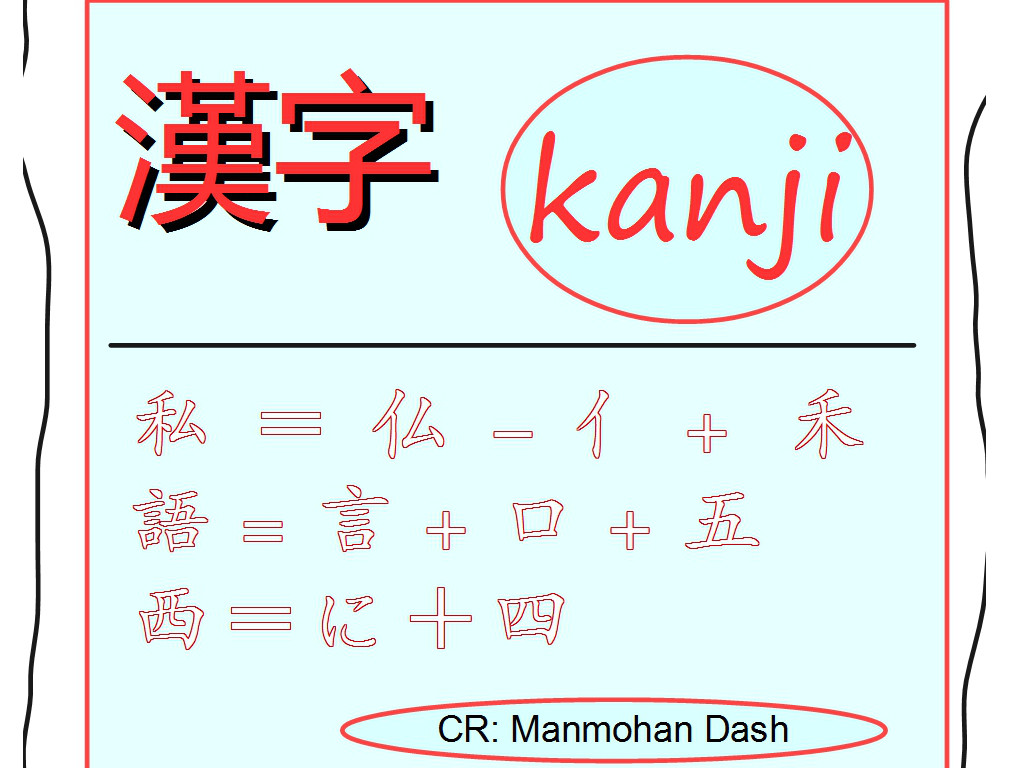
Some interesting findings in ‘kanji”.
See how, English: Rely comes from Chinese: Lai = trust .. (because they are same phonetically and have same meaning, no doubt they are cognates and in-fact same source of the word). Japanese: rai is the same word as Chinese lai, also connected through the kanji: 頼 (rai, lai). This only tells the kanjis were…
-
The origin of the word “nemesis” ..
also see the slight difference in shichi [7七] and the symbol in 死. The latter is used as a symbol for person asif one is sitting. 7七 is used anywhere there is nature’s elements present: eg 花hana=flower、脂abura=fat/oil、 指yubi=finger. One might be tempted to say in finger and fat the “sitting person is used” although my…
-
Whats the meaning of a vowel?
A vowel is a set of Roman letters [aeiou] which are assigned the lesser perceived or spoken voice/phonetics. These are analytical approaches of Language, where a small voice can gradually become very heavy and prominent due to social usage. Once they become so they actually lose their vowel nature from the analytical point of view…
 M Dash Foundation: C Cube Learning